How to Attract Customers to Your Trade Fair Stand
Major industry events are a valuable opportunity to present your company, meet new customers and build meaningful business relationships. But with so much competition, simply exhibiting may not be enough. You need to attract visitors’ attention and make your stand stand out. How can you draw customers to your stand?
First impressions make a difference
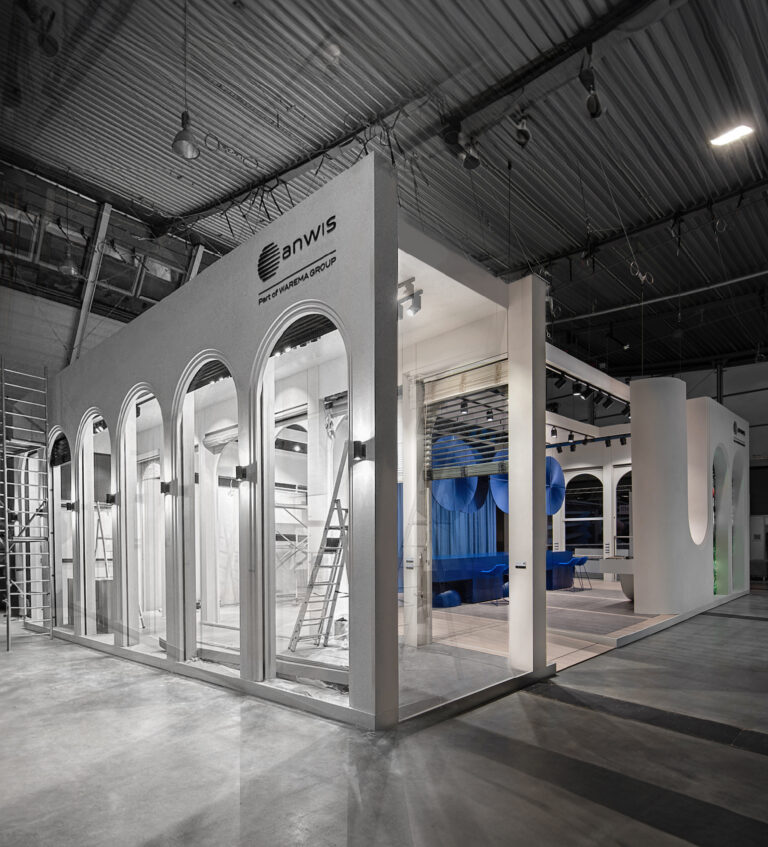
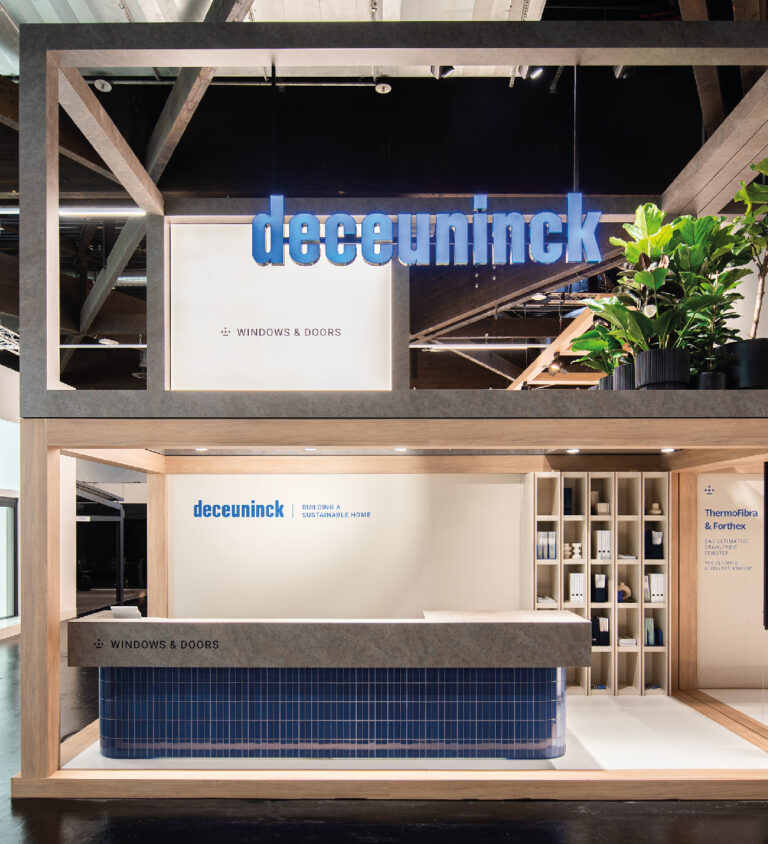
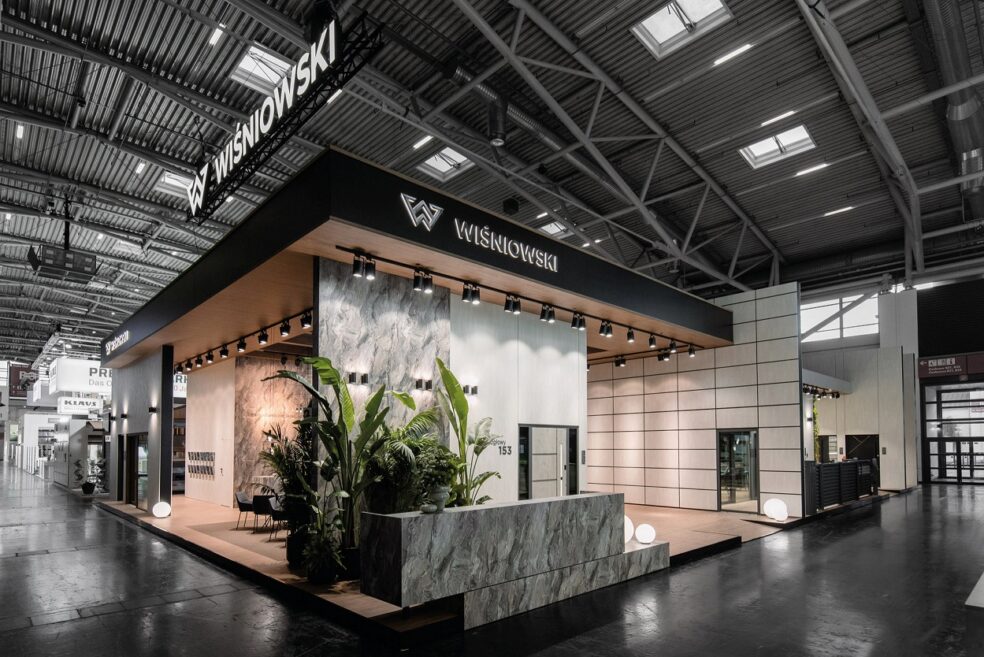
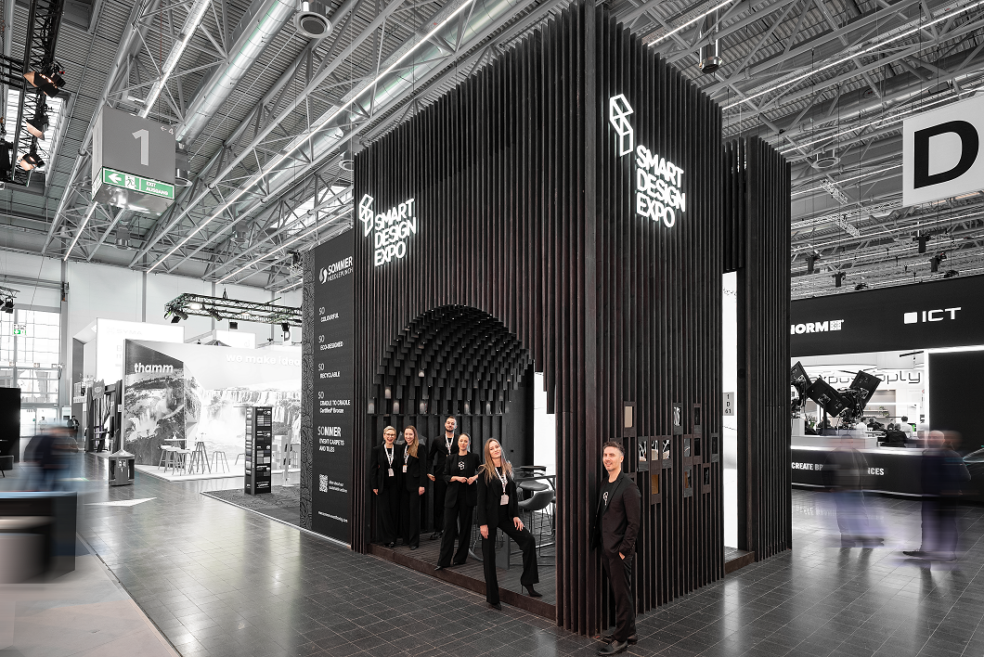
Your stand is your company’s calling card. If it looks like an off-the-shelf display, visitors may have little reason to stop. A stand makes an impression from the very first glance through:
- an unusual structure,
- lighting that guides the eye,
- carefully chosen materials that communicate quality and build trust.
Visitors make quick choices in a busy hall, so make your offer and reason to stop easy to understand.
Design that says more than a stack of brochures
A stand is not just a collection of attractive furniture. It is a strategic part of your brand image. Its design should tell your brand’s story and create an emotional response. Leading exhibitors invest in bespoke designs because they know these can help them stand out from the competition.
Good design does more than make visitors remember your stand. It gives them something they want to tell other people about.
Interaction instead of boredom
Visitors are drawn in when there is something to experience. This could include:
- multimedia and interactive screens,
- product demonstrations,
- experience zones, such as VR or AR,
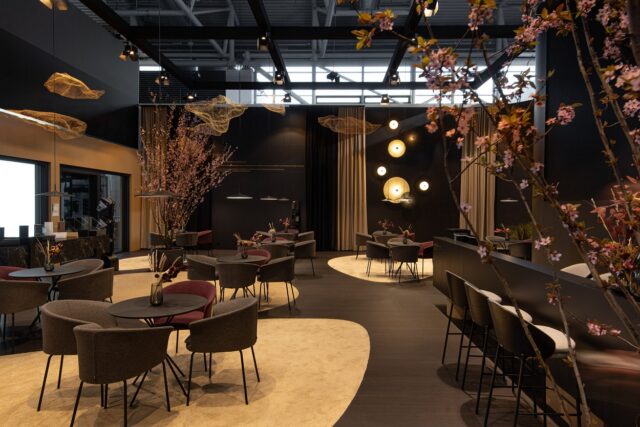
- or simply coffee and good conversations in a comfortable space.
Visitors do not come to trade fairs just to collect brochures. They want to experience something interesting. Give them a reason to stay and you have already made a strong impression.
Pre-show communication: how to increase stand visits
A well-planned promotional campaign before an event can significantly increase the number of people who visit your stand. This is when you build interest in your brand and let potential customers know that you will be exhibiting.
Communication strategies before the event
Pre-show communication should be consistent and use several channels. Start around four to six months before the event. Combine offline and online activities, such as sending printed invitations and promoting your participation online. A campaign can include:
- newsletters and email campaigns with your stand location and visitor attractions,
- a short promotional video introducing new products,
- sponsored articles in industry media,
- PR activities, such as press releases and interviews,
- taking part in panel discussions, conferences and workshops where you can promote your presence.
These activities help potential customers find out in advance where they can meet your company.
Using social media to promote your participation
Social media can support pre-show communication when it reaches your intended audience. Regular posts, video stories and previews of your stand’s attractions can build interest and excitement around the event. You could also run a Facebook or LinkedIn campaign to reach a clearly defined audience.
Exhibition stand design: a key to success
An exhibition stand is your company’s calling card and one of the main factors shaping visitors’ first impressions. Professional design brings together functionality, aesthetics and a consistent visual identity.
Why a well-planned stand matters
A well-designed stand gives your sales team a comfortable place to work and makes it easier to present your offer. Plan the space so it works for both visitors and your team. Lighting, product displays and areas for business conversations all play an important role.
Layout and consistent brand identity
Strong branding is essential. Your logo, stand colours and promotional materials should work together to create a consistent image that visitors can readily recognise. The overall design should reflect your company’s values and help distinguish you from competitors.
One example is the stand we created for Marmite, a manufacturer of washbasins, baths and shower trays made from Mineral Composite. The entire stand, from the walls to the counters and platforms, used a stone-effect laminate that highlighted the natural character of the products. Stalactite-inspired lamps and dolomite-like forms completed the design, creating a distinctive atmosphere and visitor experience.
Features that help a stand stand out
Creative solutions can help attract visitors. Bespoke exhibition stands usually require a greater investment than standard options, but they can be much more visible. Features that can help a stand stand out include:
- original structures and unusual forms,
- distinctive stand lighting,
- a dedicated space for testing products,
- well-integrated technology.
Sensory marketing as a way to attract attention
Sensory marketing engages visitors’ senses, including sight, sound and smell. Well-planned lighting, background music or a subtle scent can make your stand a place where visitors want to spend time. Natural scents may complement an eco-focused product range, while dynamic music can bring energy to a zone presenting new technology.
Interactive sensory walls can also invite visitors to influence what appears on a mapped surface and explore different scenarios. This technology works especially well alongside interesting textures and other tactile elements.
The role of your sales team in attracting customers
A stand is also made more appealing by:
- friendly, approachable people,
- strong product knowledge,
- energy that visitors can feel.
Your stand is the stage, and your team brings it to life. The goal is not to recite a pitch from memory, but to build relationships.
Even the best exhibition stand design and the latest technology cannot replace a well-prepared sales team. People build customer relationships and help turn conversations into business. That is why clear communication and an active, attentive approach matter.
Stand staff should be approachable and proactive, and adapt their communication to each visitor. Ask thoughtful questions, explain your offer clearly and create an atmosphere of trust.
Small details visitors remember
Sometimes the smallest details make the biggest impression:
- consistent promotional items that are useful,
- a place to charge a phone,
- well-planned lighting that makes products look their best.
These details can shape whether a visitor says, “That was nice,” or, “That was the best stand at the whole show.”
Networking and business relationships at trade fairs
Networking, especially at major industry events, is about more than exchanging business cards. It is about building lasting relationships that can lead to long-term cooperation.
Make time for the event’s wider programme. Attend industry meet-ups, panel discussions, workshops and seminars. They can help you make the most of your time at the event.
How can you stay in touch with customers and business partners after the trade fair? For visitors, you could ask them to complete a short survey, share an email address or subscribe to your newsletter. After the event, send a thank-you message to remind them of your brand. Following up on a business meeting with a thank-you and additional materials is also good practice. It shows professionalism and care for the relationship.
Building lasting relationships takes consistency and commitment, but it can bring tangible results in the form of repeat customers and recommendations.
Attract the right visitors and assess what worked
A busy stand is not automatically a successful stand. Define the audience you want to reach and give them a clear reason to visit: a relevant demonstration, a new product or a scheduled discussion with a specialist.
Track qualified conversations, meetings with target accounts and agreed next steps. Ask visitors what drew them in and use that feedback to refine the layout and activities during the event. Keep entrances clear, demonstrations easy to join and sound or scent subtle enough for comfortable conversation.