Key Elements of an Exhibition Stand
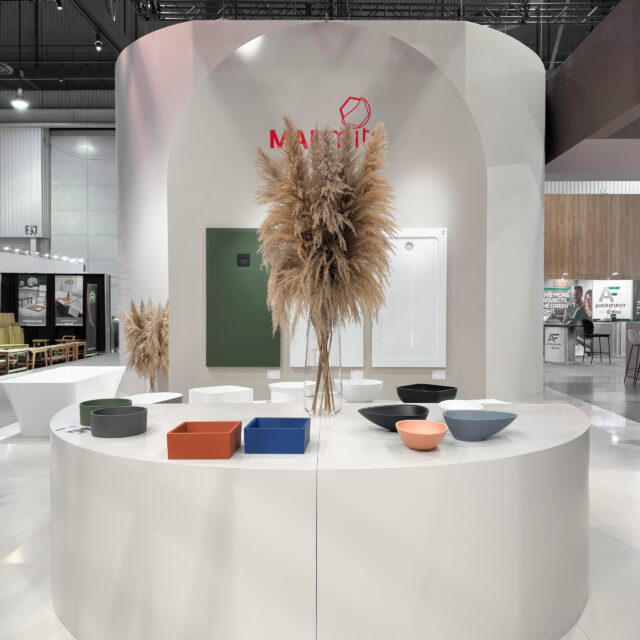
Exhibition stands are an important part of any trade fair, exhibition or conference. Their main purpose is to attract potential customers and present a company’s offer in an appealing way. That is why a stand should be thoughtfully planned and functional, while also feeling original and standing out from the crowd.
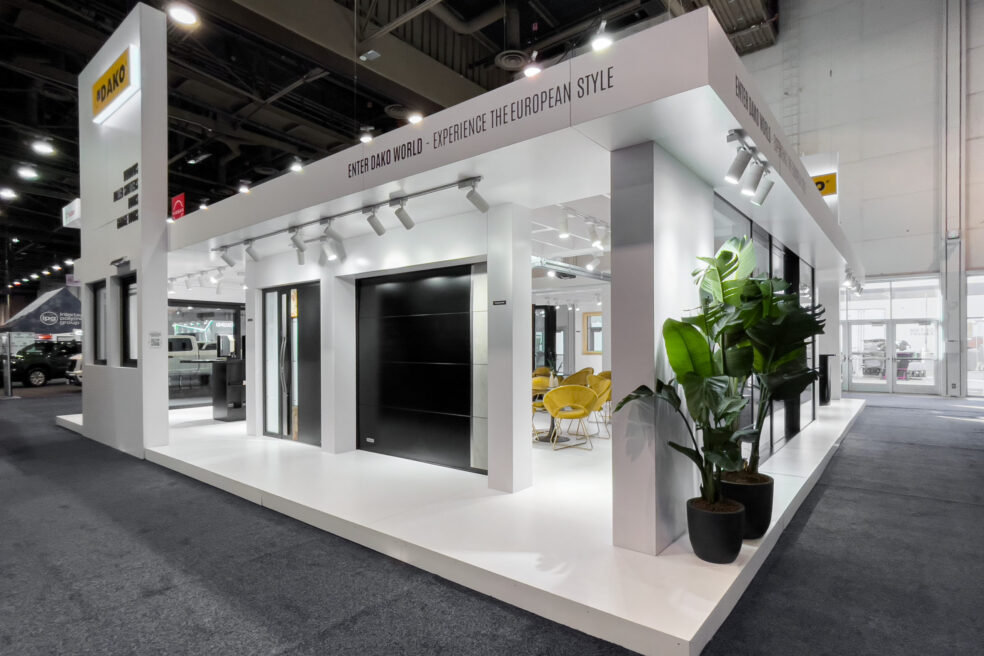
An exhibition stand as part of your company image: key design elements
An exhibition stand is more than a way to promote products. It is also an important part of building your company’s image. The design should therefore be thoughtful and functional, while remaining distinctive and memorable.
Your stand should reflect your company’s values and approach, as well as attract potential customers. A well-designed stand can strengthen your brand image and increase interest in your offer.
Visual design is a key part of an exhibition stand. The graphics should be engaging and consistent with your company’s visual identity. Carefully chosen furniture and display elements, such as product stands, can also help draw attention to the products you are showcasing.
The effective use of space matters just as much as appearance. A well-planned layout makes it easier for visitors to move around and helps you present your offer clearly. The right lighting can shape the atmosphere and highlight the most important parts of your offer.
Multimedia is also becoming increasingly popular. Touchscreens and virtual reality experiences can attract visitors and present your offer in a modern, engaging way.
Finally, remember the people working on your stand. Professional, friendly service can help you connect with more potential customers. Look for staff who have the right knowledge as well as strong communication and relationship-building skills.
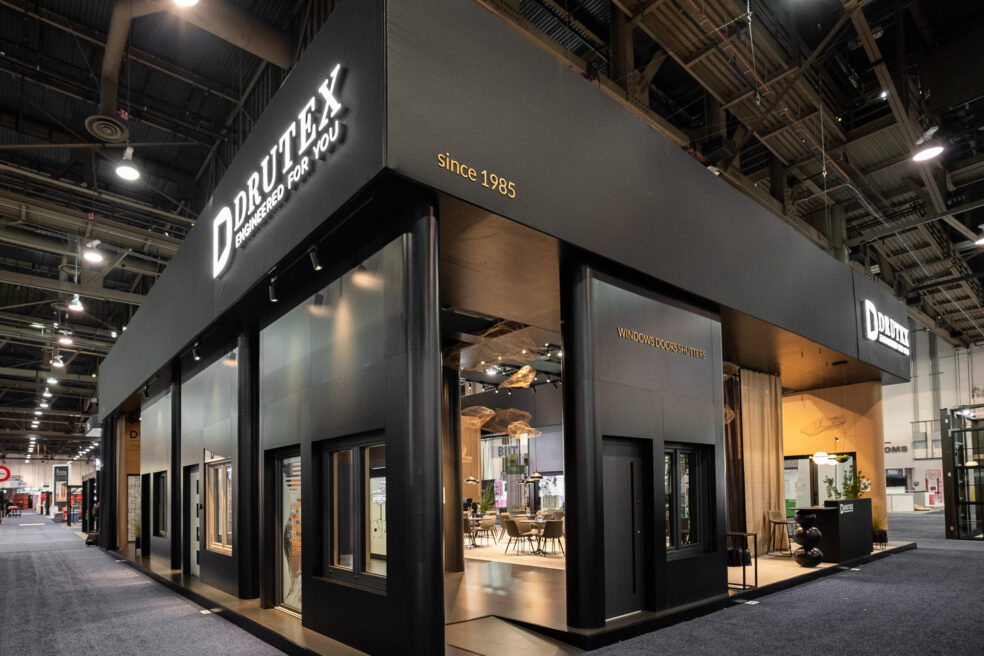
What are the benefits of having an exhibition stand?
An exhibition stand can bring many benefits to your company. Here are some of the key ones:
- Greater brand awareness – a stand can draw potential customers’ attention to your brand and offer. An attractive, well-designed stand can help you make a positive impression.
- Direct contact with customers – a stand is an ideal place to meet customers and present your offer. These conversations help you understand their needs and tailor your offer to their expectations.
- Launching new products – trade fairs are a great place to present new products and innovations, explain their benefits and see how customers respond.
- Building customer relationships – you can strengthen existing relationships, gather valuable feedback and tell customers about new products and promotions.
- Increased sales – a well-designed, functional stand can help increase sales. Thoughtful product displays can catch visitors’ attention and encourage them to buy.
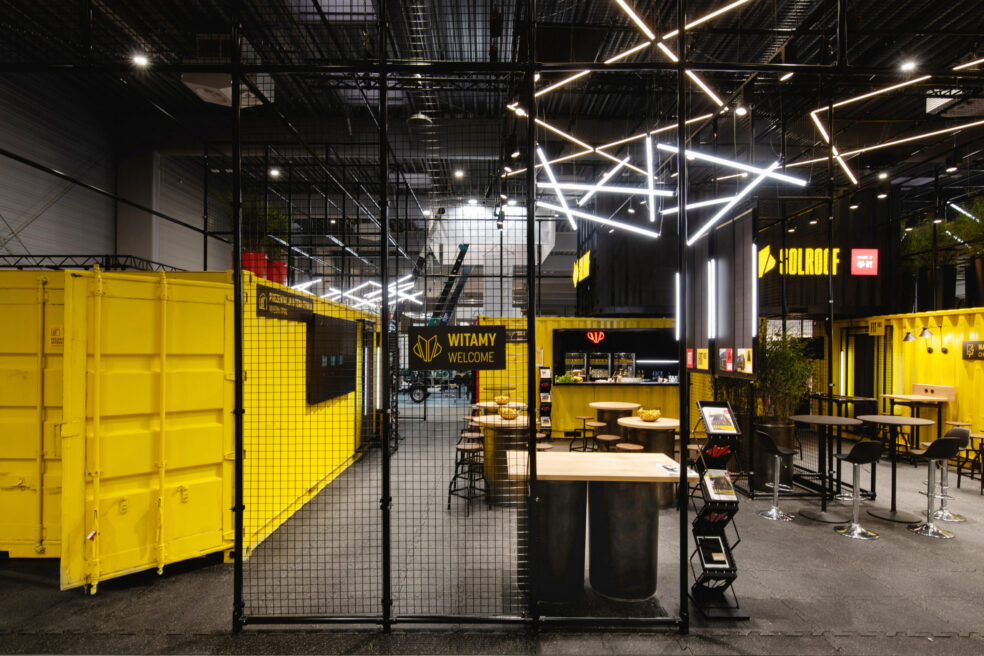
Key elements of an exhibition stand: what should you consider?
Designing an exhibition stand involves many decisions, from the initial concept and choice of materials and colours to the final layout, furniture and accessories. Follow these steps to create a stand that is both functional and attractive:
- Concept and planning – define the goals of your stand and how it should work. Decide what you want to communicate and which products or services you want to present. Consider the zones you need, such as reception, product display or presentation areas.
- Choosing materials and colours – select materials and colours that suit the style and character of your stand. They should be durable and high quality, while also meeting your aesthetic and practical needs.
- Planning the zones – create clear, functional areas that work together as a coherent design. Make your company name and logo easy to see, and plan space for product displays or service presentations.
- Selecting furniture and accessories – choose functional furniture suited to your company and visitors. Accessories such as posters, brochures and promotional items should fit the stand’s concept and style.
- Coordinating the work – in the final stage, coordinate the project and make sure it is delivered as planned. Consider commissioning a qualified professional or an exhibition stand design company.
Back-of-house and technical essentials
Plan storage for stock, packaging and personal items, as well as discreet cable routes and the power or network connections your equipment needs. Keep visitor routes clear and make the welcome point easy to approach. A stand that looks tidy on opening day needs enough practical space to stay that way throughout the event.
Review product dimensions, weights, service requirements and demonstration needs before finalising the layout. Confirm the venue’s technical rules with the project team and test lighting, screens and other equipment before handover.
Graphics for your exhibition stand
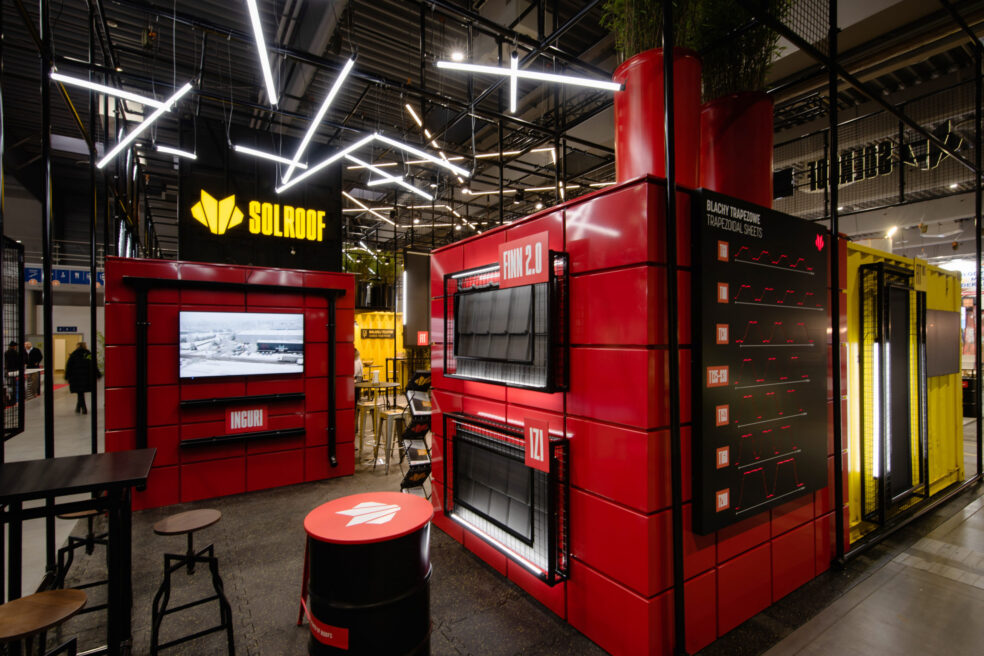
Graphics are an important part of an exhibition stand. They attract visitors’ attention and help build your brand image. Here are some of the key elements to include:
- Logo – the essential graphic element. Make sure it is clear and large enough to catch visitors’ attention.
- Company name – display it clearly so visitors can read it from a distance. You could use a banner or three-dimensional lettering.
- Slogan – if your company has a slogan, displaying it can help attract attention and make your brand easier to remember.
- Images and graphics – photographs, illustrations and other visuals can make your stand more appealing. Choose them carefully and plan where to place them.
- Text – use short, clear messages about your products or services, along with any essential details visitors need.
- Colours – the right colour palette can catch visitors’ attention and reinforce your brand image. Choose colours that suit your company’s character and style.
Lighting for exhibition stands
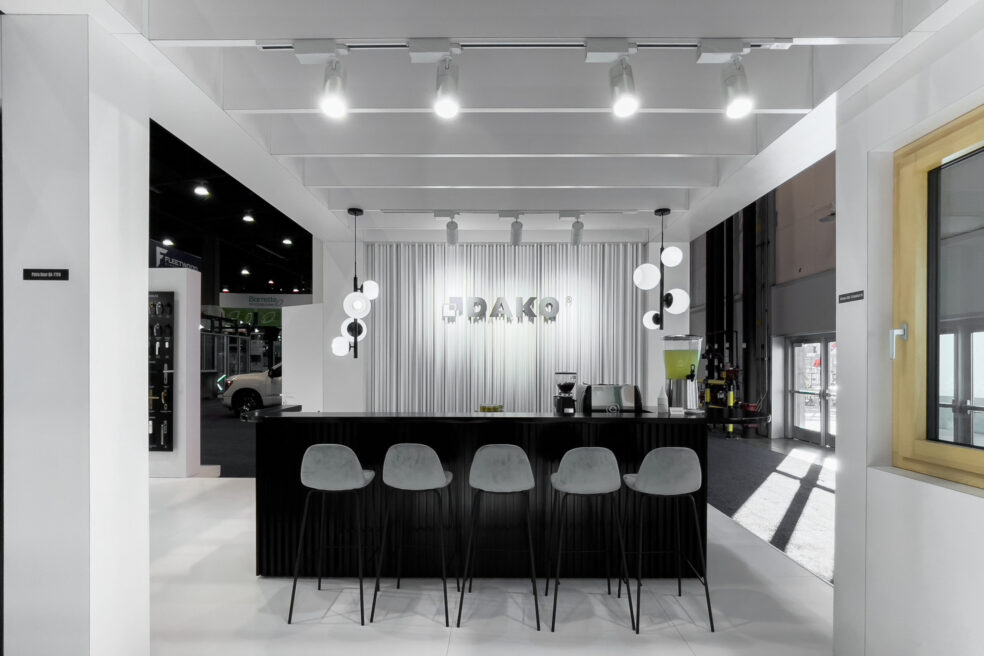
Lighting is a key part of an exhibition stand. The right type and amount of light can make the stand more attractive and visible, while highlighting important elements. Here are a few points to consider:
- Types of lighting – you can use general lighting, directional spotlights, LED strips and panels, or decorative fixtures. Each option has different advantages, so choose what works best for your stand.
- Light colour – the colour of the light affects the mood and atmosphere on your stand, as well as the appearance and colours of your products.
- Light intensity – choose the right brightness to make your stand visible and appealing. Too little light can make it hard to see, while overly bright lighting can be uncomfortable or distract from the products on display.
Key exhibition stand elements for trade fair success: a summary
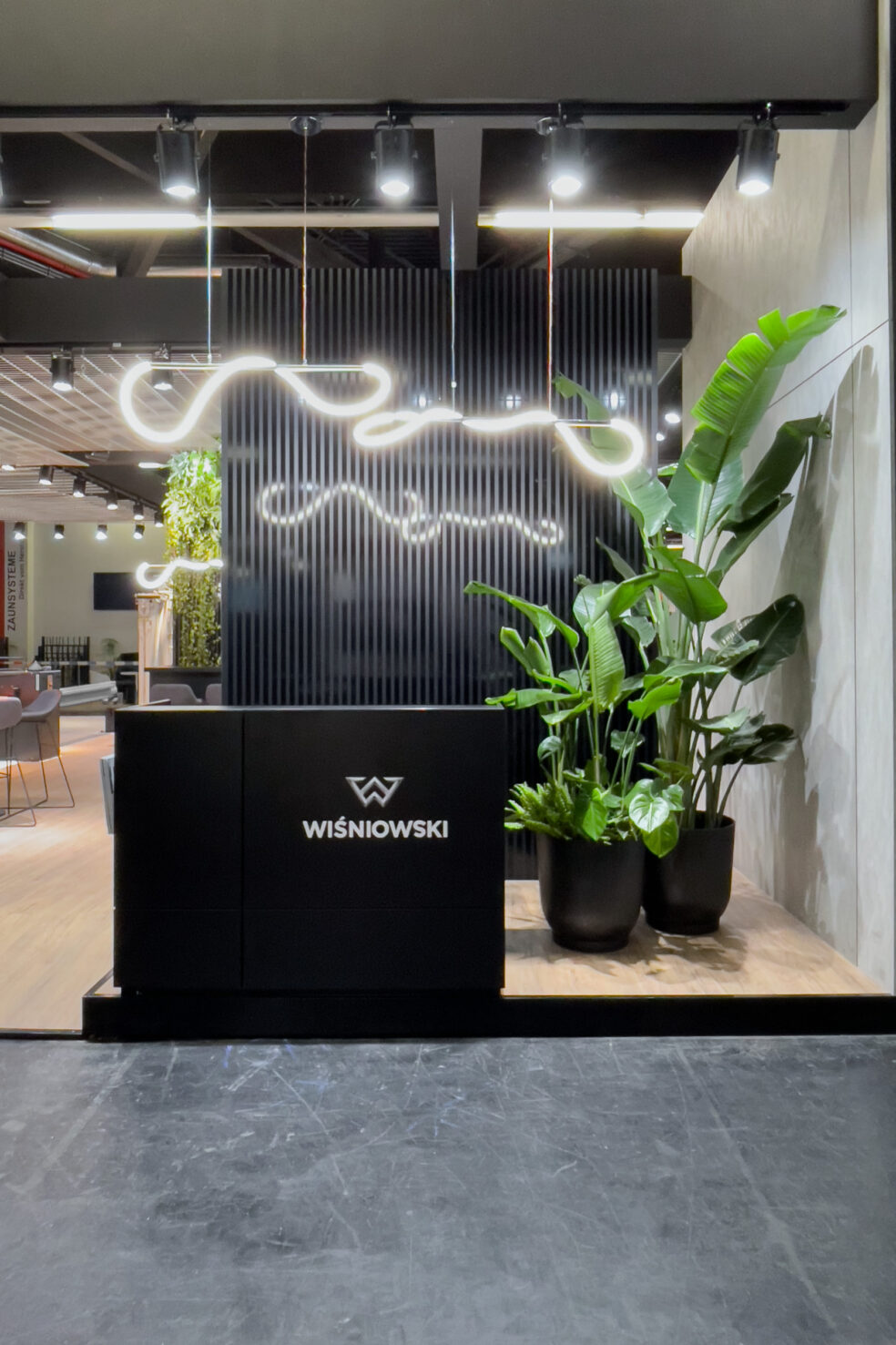
An exhibition stand is more than a place to present your products. It is also a tool for building your brand image and supporting sales. Key design decisions include choosing the right location, matching the stand to the trade fair, selecting materials and colours, planning the zones and using lighting effectively. A well-designed stand can attract potential customers and increase their interest in your offer.