The Total Cost of Exhibiting: How Brands with Clear Objectives Plan Their Budget
A trade fair budget needs to cover the full project: the stand, organiser services, logistics, your team and the work that turns conversations into sales. Start with clear objectives, then allocate spending to the activities that help you achieve them.
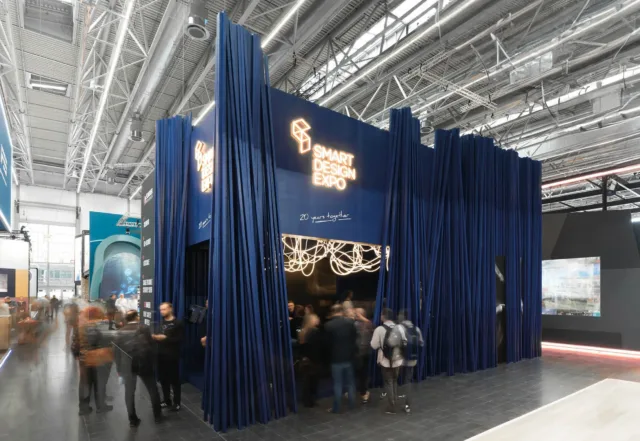
Leading industry trade fairs remain one of the most effective marketing tools. Few other channels combine company promotion, product sales, networking and direct contact with customers so well. Taking part is rarely inexpensive, though. Before you plan your trip, you need to understand the costs involved and how brands with clear objectives prepare for a successful event.
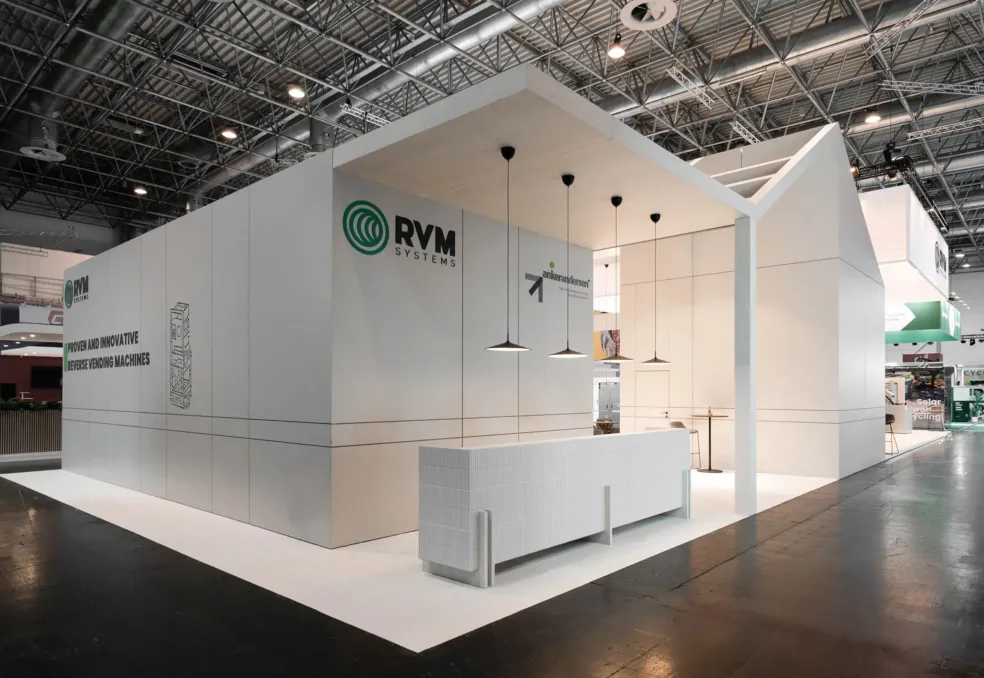
How much does it cost to exhibit at a trade fair?
Brands that know why they are exhibiting start with a strategy, rather than figures plucked out of thin air.
“Stand: about €34,000?”
“Travel: probably €2,300?”
“Leaflets: let’s say €115.”
Instead, they start with an objective:
- Do we want to attract new distributors?
- Are we building our reputation as a global player?
- Are we launching a product and looking to generate a buzz?
Why does this matter? Because the objective shapes everything: floor space, design, construction, team size and even the stand’s location. It helps you avoid surprises and make the most of the event.
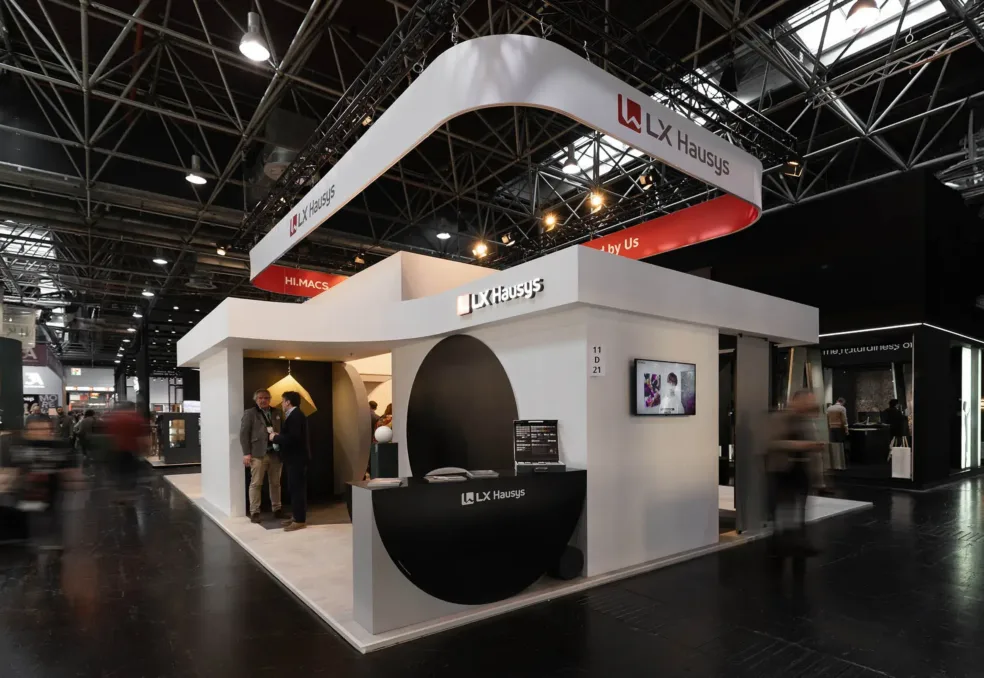
What affects the total cost of exhibiting?
Many companies still assume that “trade fair costs” mean “stand costs”. But the stand is only part of the equation. If the project is poorly managed, it may not even be the largest part. Experienced brands look at the bigger picture.
The total cost of exhibiting includes:
- Stand design and construction — for larger bespoke projects, an illustrative budget might be €68,000–€114,000 or more. This is a planning example, not a market-wide minimum or a quotation.
- Exhibition fees — floor space, utilities, promotional and marketing services.
- Logistics — transporting exhibits, stand components, materials and equipment.
- The team — travel, accommodation, daily allowances, meals and training.
- Marketing and activations — campaigns inviting customers to visit, promotional materials and events on the stand.
- Post-event sales support — follow-up, reporting and lead nurturing.
Here is the key point: brands with clear objectives invest deliberately in every one of these elements, because they understand that each contributes to the business outcome.

The event and its reputation
Trade fairs vary in scale and standing. Taking part in a prestigious international event naturally involves higher costs. Floor space, service charges and transport costs tend to rise with the event’s reputation. In return, these events offer access to particularly valuable partners and customers.
Industry requirements and company size
Every industry has its own exhibition requirements. Interior furnishings manufacturers have different needs from companies in the automotive or technology sectors. The broader the product range, the more demanding the stand design, product presentation and technical infrastructure become. For large companies, trade fairs are also a platform for business meetings, so their budgets need to reflect that.
What makes up a trade fair budget?
Exhibition budgets cover a range of expenses, including floor space rental, materials, stand construction and installation. Understanding what goes into the final figure helps you manage your budget and make informed decisions during planning.
Budget for relationships, not just displays.
Major exhibitors know that the stand sets the scene. What matters most happens around the table, in the meeting area and through conversation. That is why their budgets include things often overlooked by companies that turn up just to “see what happens”:
- a comfortable place to talk,
- good coffee — yes, that needs a budget too,
- materials tailored to key customers,
- a team that looks prepared, rather than as though it was picked at random from the office.
Brands that know why they are exhibiting invest in the meetings and relationships their stand will make possible.
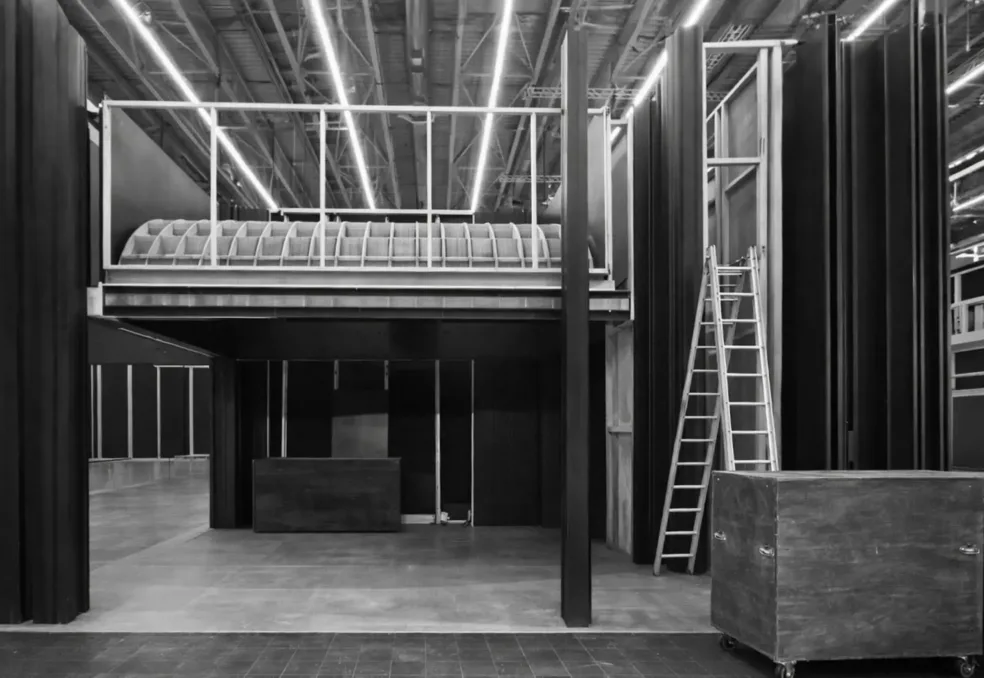
Exhibition floor space rental
This is one of the first and most important costs to include. Floor-space prices vary substantially by event, hall, stand type and booking date. Use the organiser’s current exhibitor price list and check whether compulsory fees and VAT are included. Corner positions, central pavilion locations and highly visible spaces can carry additional charges.
Exhibition materials
Printed catalogues, product samples, display units, branding elements and video content all influence how visitors perceive your stand. Premium brands should invest in consistent, contemporary design for materials that customers will keep after the event.
Stand installation costs
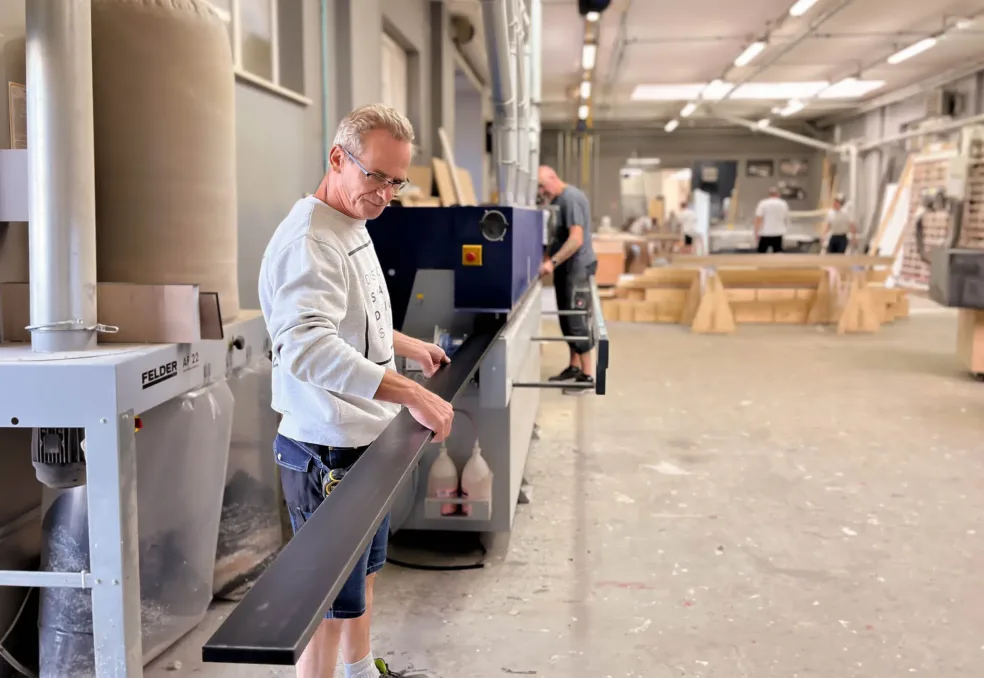
Building a stand requires precise coordination between many specialists: carpenters, electricians, graphic designers, logistics teams and installers. Structural components are first made in the workshop and production facility. Everything is then transported to the venue for installation, finishing and testing of lighting and multimedia systems.
The final cost depends on the number of people involved, the installation time and the complexity of the structure.
Optimising the cost of exhibiting
Even a well-planned budget can be refined further. Making the right decisions early can deliver savings without compromising quality or visual impact.
Early booking and clear supplier scopes
Check registration and service-order deadlines early: some organisers offer advance rates or charge more for late orders. Compare quotations on the same scope, including transport, installation, dismantling, storage and venue services, to avoid double counting or unexpected extras.
An illustrative budget for a large project
For a large bespoke stand at a major international trade fair, one illustrative scenario is a total budget starting at around €136,000 and reaching several hundred thousand euros or more, depending on:
- the scale of the stand,
- the country,
- the industry,
- the objectives,
- and the level of ambition.
These figures illustrate the scale of a larger project; they are not a minimum for every exhibitor. They represent an investment in brand image, relationships, sales and international expansion.
Brands that understand their purpose do not ask, “Why does it cost so much?” They ask, “What do we need to do to get the best possible return on this investment?”
Bringing it all together
The total cost of exhibiting is about more than numbers. It is about decisions, priorities and recognising that a stand is a business tool, rather than decoration. Brands that know why they are attending a trade fair do three things:
- They invest deliberately, rather than at random.
- They think strategically, rather than focusing only on immediate tasks.
- They look beyond the three days of the event.
Get in touch with us. Our exhibition stand design service helps turn your stand into an investment in your brand, rather than just another line in the cost estimate.
Euro equivalents of the original PLN amounts are approximate and rounded, using the NBP average exchange rate of €1 = PLN 4.4014 on 4 November 2026.
Allow for overlooked costs and measure results
Include dismantling, waste disposal, cleaning, internet, rigging, electrical connections, insurance and any mandatory venue services in the budget. Agree who pays each charge and whether quotations include VAT. Keep a contingency allowance based on project risk, and track committed as well as actual spending.
Define success before the event: for example, qualified leads, meetings with target accounts or opportunities added to the sales pipeline. Assign an owner and deadline for follow-up, then review outcomes against the full event cost after a realistic sales cycle.